Skip to content
BETAThe lab is free and in beta. Found something wrong?

Substation and MCC lab

Substation and MCC simulator: isolate, protect and fault-find in 3D

Walk a small substation, isolate a motor bucket safely, grade a relay and fault-find a motor control centre.

0 of 8 levels done

  • Free
  • Foundation to Advanced
  • 150 learners

Free to open. Your work is saved on this device; a free account keeps it everywhere. The lab is in beta.

8 levels

Levels in the Substation and MCC lab

Start at the top, or open any level you like. Tap a title to read about it.

  1. Start Read the single-line diagram
  2. Start Safe isolation of an MCC bucket
  3. Start Size a motor circuit
  4. Start Commission a star-delta starter
  5. Start Grade the incomer relay
  6. Start Fault level and breaker check
  7. Start Correct the power factor
  8. Start Find a fault in the MCC

Walkthrough

Watch the full walkthrough

Voiced, with chapters. It loads when you press play.

Substation and MCC walkthrough: isolate and protect. Playing this video loads YouTube.

Equipment in this lab

Equipment in the Substation and MCC lab

57 real things to look at. 30 open up to show what is behind the cover, and 15 pull apart piece by piece.

  • MCC bucket in the Substation and MCC lab, shown in 3DMCC bucketA drawer that holds one motor's starter and plugs onto the busbar.OpensPulls apart
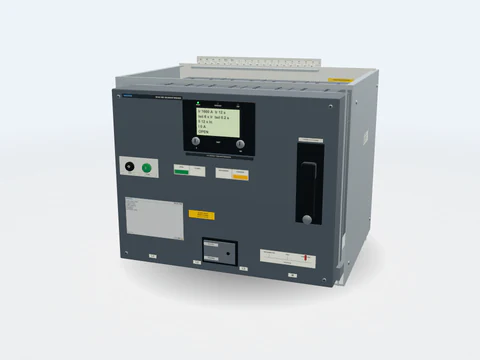
  • Air circuit breaker in the Substation and MCC lab, shown in 3DAir circuit breakerThe main breaker of the low-voltage board. It closes on a charged spring and winds out of the live board on rails.OpensPulls apart
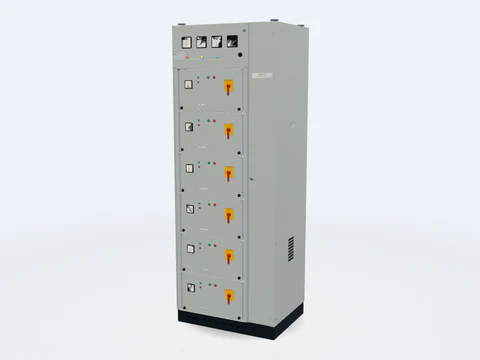
  • LV switchboard section in the Substation and MCC lab, shown in 3DLV switchboard sectionThe steel enclosure that holds the busbar, the breakers and the drawers.OpensPulls apart
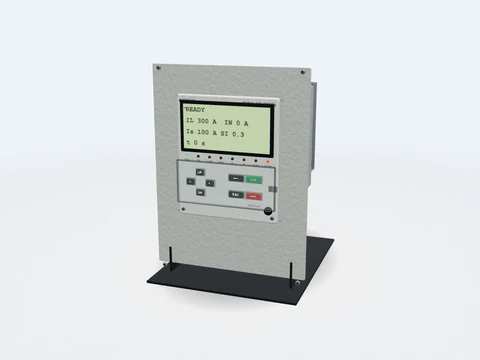
  • Protection relay in the Substation and MCC lab, shown in 3DProtection relayReads the CT current and trips the breaker along an inverse curve.OpensPulls apart
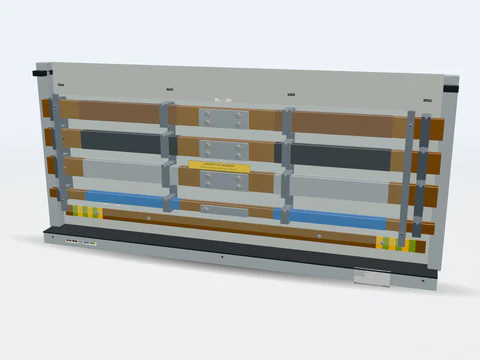
  • Busbar system in the Substation and MCC lab, shown in 3DBusbar systemThe copper bars that carry power to every unit in the board.OpensPulls apart
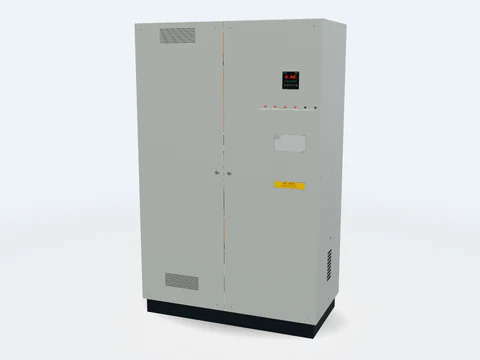
  • Power factor capacitor bank in the Substation and MCC lab, shown in 3DPower factor capacitor bankCapacitor steps that cancel the reactive current of motors.OpensPulls apart
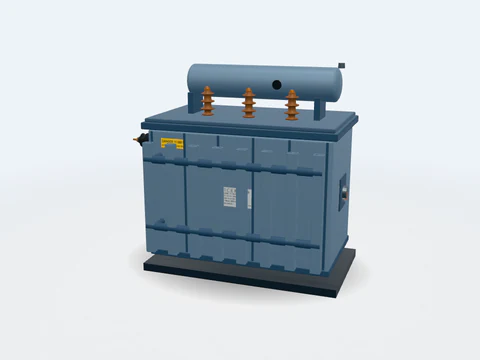
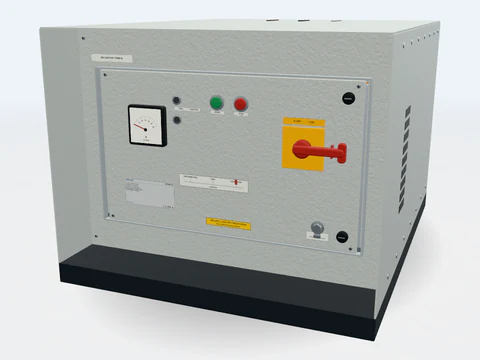
  • Distribution transformer in the Substation and MCC lab, shown in 3DDistribution transformerSteps 11 kV down to 400 V for the board.Opens
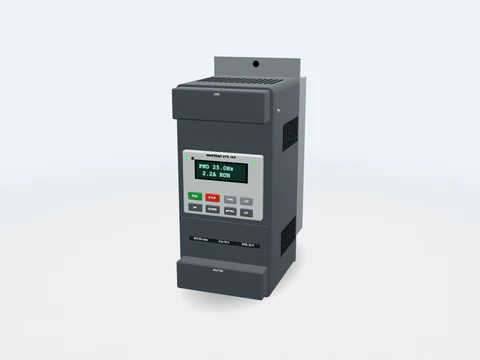
  • Variable frequency drive in the Substation and MCC lab, shown in 3DVariable frequency driveChanges the supply frequency to set the speed of an AC motor.OpensPulls apart
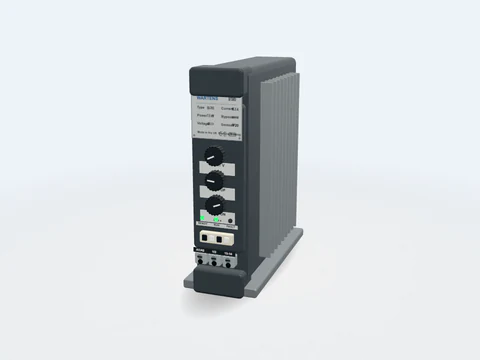
  • Soft starter in the Substation and MCC lab, shown in 3DSoft starterRamps the motor voltage up so the motor starts gently.Opens
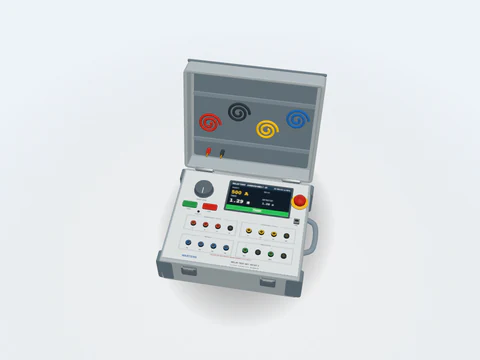
  • Relay test set in the Substation and MCC lab, shown in 3DRelay test setInjects a known current and voltage into a protection relay and times its trip.Opens
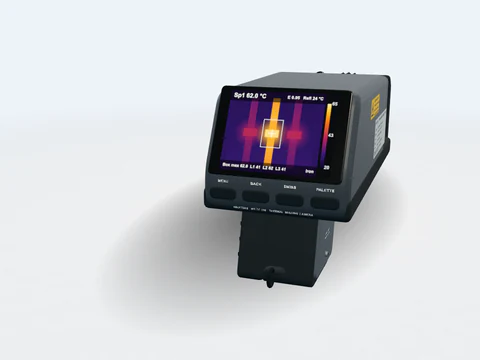
  • Thermal camera in the Substation and MCC lab, shown in 3DThermal cameraShows heat as colour, so a hot joint stands out.Opens
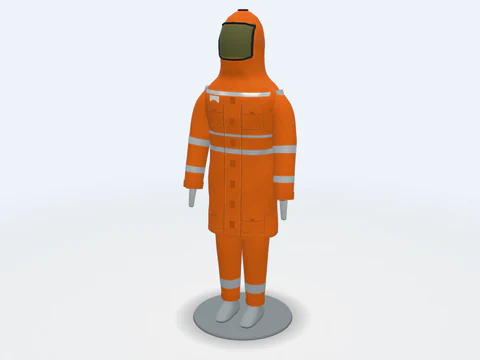
  • Arc flash suit and hood in the Substation and MCC lab, shown in 3DArc flash suit and hoodA coat, bib overalls and a hood that stop an arc flash burn.

and 45 more in the library.

Open the lab with its equipment library

Ratings and reviews

What learners say

Ratings come from learners who saved work in this lab.

Ratings and reviews

4.6
8 ratings
55
43
30
20
10
  • Absolutely Amazing

    This is a great way to learn the practical electrical systems without being present at the workplace. I enjoyed finding out the errors and it hooked me solving every bit of the problems one by one.

    Saymon Sarder Ridoy · Passed 1 level · 15 Nov 2026
    EDWartens team

    Thank you, Saymon, this is lovely to read. Spotting the errors on the single-line diagram one by one is how fault finding works on a real site: read the drawing, test an idea, move on to the next. We are glad it hooked you, and the later switchroom levels build on that same habit.

  • Lab is really practical one

    A learner · Passed 6 levels · 9 Nov 2026
    EDWartens team

    Thank you. Practical is exactly what we aim for, and grading the incomer relay is about as practical as protection work gets: settings chosen so the right breaker trips first. Six levels passed is a great result.

  • This individual requires much more understanding of terms and processes. They are not hard to find with Chat.

    Eddie B. · Passed 2 levels · 6 Nov 2026
    EDWartens team

    Thanks for the useful note, Eddie. You are right that commissioning a star-delta starter brings in a lot of terms at once: the timer, the change-over gap, the overload setting. The Help panel in the lab has a Words section with short, plain meanings, and we will look at linking more of them from this level so you do not need to look elsewhere.

  • soo good

    Azmain K. · Passed 1 level · 5 Nov 2026
    EDWartens team

    Thank you, Azmain, glad you enjoyed it. The single-line diagram is the map for the rest of the switchroom levels, so you have made a good start.

  • Tofunmi O. · Passed 1 level · 2 Nov 2026
    EDWartens team

    Thanks, Tofunmi, and well done on passing Read the single-line diagram. It is the drawing every substation job starts from.

  • Meghana K. · Worked on 1 level · 28 Oct 2026
    EDWartens team

    Thank you for the rating, Meghana. Once the single-line diagram makes sense, the rest of the Substation and MCC lab follows from it, so do come back for the next level.

  • .

    Kandula K. · Passed 8 levels · 28 Oct 2026
    EDWartens team

    Thank you, Kandula. Passing eight levels of the Substation and MCC lab, up to finding a fault in the MCC, takes patience and a good grasp of MCC and switchgear basics. A fine result.

  • Ons N. · Passed 1 level · 26 Oct 2026
    EDWartens team

    Thank you, Ons. That drawing is how electricians and engineers find their way around a switchroom, so passing the single-line diagram level gives you a useful skill.

Sign in free and save work in a level to add your own rating.

About the Substation and MCC lab

Isolate the bucket. Grade the relay.

A motor control centre is the cabinet row that starts and protects a plant's motors, and a small substation feeds it. The Substation and MCC lab in EDWartens Lab is a free 3D room in your browser where you practise the safe, careful work around them.

A 400 V switchroom with a line-up of boards and a motor control centre, and an 11/0.4 kV transformer bay through the doorway. Read the single-line diagram, isolate a bucket the safe way, size a motor circuit, commission a star-delta starter, set a protection relay, check the fault level and correct the power factor. Every calculation is a simplified model, not a design tool.

  • Read the single-line diagram with IEC 60617 symbols and IEC 81346 reference designations
  • Lock out, tag out, prove the tester, test dead and earth a motor bucket, in the right order
  • Size a cable and an MCCB, set an overload, grade an IDMT relay against the breaker below it
  • Check a breaker against the fault level, correct the power factor and find a fault in the MCC

Tools in this lab

  • Safe isolation: lock, tag, prove, test, earth
  • Cables, breakers, relays and fault levels
  • A 3D switchroom and transformer bay

The guide

What to know before you start

Short answers first. Open a card for the rest.

What the substation and MCC simulator does

You walk a small 11/0.4 kV substation and the motor control centre it feeds. Each job starts with a work order from a fictional client, and the result is marked by an automatic acceptance test. A wrong step behaves wrongly, as it would on site.

Read more

The equipment is generic and the clients are fictional, so the lab teaches the method rather than one maker's product.

Eight levels, from the drawing to the fault

The lab has eight levels. You read the single-line diagram and name each device and rating. You isolate a motor bucket the safe way: lock, tag, prove the tester, test dead and prove again. You size a motor circuit with its cable, breaker and overload relay, and you commission a star-delta starter.

Read more

The later levels cover grading an incomer relay so it discriminates with the feeder below it, checking the fault level and breaker ratings when a bigger transformer goes in, correcting the power factor with a capacitor bank, and finding why a motor keeps tripping.

Safe isolation comes first

The isolation level marks the order of the steps, including proving the tester before and again after the dead test. A real site has its own rules and permits, and the simulation lets you arrive already knowing the order of the work.

Free, and part of the internships

Opening the lab, doing the levels and passing the acceptance tests are free, and you can start without an account. A free EDWartens account records your results and keeps your work on every device. The lab is in beta. Substation and MCC tasks also count inside the Control Panel Design and Wiring, Commissioning and Maintenance, and Electrical Design internships, where they are optional practice in the weeks that teach them.

How it works

  1. Create a free EDWartens account, or sign in if you already have one.
  2. Open Read the single-line diagram and name each device.
  3. Isolate a motor bucket safely and sign the permit.
  4. Size a motor circuit and commission the star-delta starter.
  5. Grade the relay, then find the fault in the MCC.
Where it leads

Where it leads

Job simulations and internships are training, not employment.

Trains you for

Commissioning engineer, Electrical design engineer.

Questions

Questions people ask.

Is there a free substation and MCC simulator?

Yes. The Substation and MCC lab in EDWartens Lab is a free 3D room that runs in your browser. You can start without an account; a free EDWartens account records your results. You read the diagram, isolate a bucket, size a motor circuit and pass an automatic acceptance test.

Can I practise safe isolation online?

Yes. One level has you stop, open, withdraw, lock, tag, prove the tester, test dead, prove again, earth and sign the permit. The order of the steps is part of the mark.

Can I practise relay grading and fault level checks?

Yes. One level has you set an IDMT relay so it discriminates with the feeder breaker below it. Another has you work out the new fault level when a bigger transformer goes in.

Does it replace training on a real board?

No. A real board has its own permits and procedures. The simulation is practice for the thinking and the order of the work.

Keep exploring

Other labs and guides

Updated 24 Nov 2026.

Other labs

  • Solar and EV labSize a solar array, set a battery and fault-find an EV charger on a commercial site.
  • PLC labProgram a working machine in ladder, Structured Text or SFC and watch it run.
  • Electrical labLock out, wire, test and fault-find a control panel, then prove it with a factory acceptance test.
  • Robotics labTeach a robot arm a pick and place job and prove its handshake with the PLC.
  • Process labRead the P&ID, check and calibrate instruments, tune loops and run a plant from a control room.
  • Maintenance labKeep a small plant running: find faults with real instruments, fix them safely and record the work in a CMMS.
  • AI Basics labLearn what AI is by playing with it: teach a camera, watch a model learn, test it and check it is fair.
  • AI WorkbenchPrepare data, train a model and check the AI's work against a brief.
  • AI Data Centre labWalk an AI data hall, rack and cable a GPU server, and size its power and cooling.
  • OT security labMap a plant network, split it into zones, write the firewall rules, read the logs and run the response drill.

Start the Substation and MCC lab now.

Free, in your browser, with nothing to install.