Skip to content
BETAThe lab is free and in beta. Found something wrong?

Solar and EV lab

Solar and EV charger simulator: size, commission and fix in 3D

Size a solar array, set a battery and fault-find an EV charger on a commercial site.

0 of 8 levels done

  • Free
  • Foundation to Advanced
  • 48 learners

Free to open. Your work is saved on this device; a free account keeps it everywhere. The lab is in beta.

8 levels

Levels in the Solar and EV lab

Start at the top, or open any level you like. Tap a title to read about it.

  1. Start Site survey: name every part and every isolation point
  2. Start String sizing for the coldest and hottest day
  3. Start Select cables, fuses, isolators and surge protectors
  4. Start Generation against load: size the array for self-consumption
  5. Start Battery dispatch: cut the bill under a time-of-use tariff
  6. Start Commission the system: the safe energising order
  7. Start EV charger fault: a car will not charge
  8. Start Load management: three chargers on a limited supply

Walkthrough

Watch the full walkthrough

Voiced, with chapters. It loads when you press play.

Solar and EV Lab walkthrough: size and commission. Playing this video loads YouTube.

Equipment in this lab

Equipment in the Solar and EV lab

44 real things to look at. 25 open up to show what is behind the cover, and 7 pull apart piece by piece.

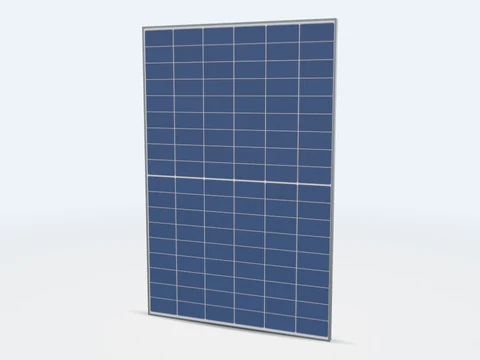
  • PV module 400 W in the Solar and EV lab, shown in 3DPV module 400 WTurns sunlight into direct current, about 31 V and 12.8 A at its best point.OpensPulls apart
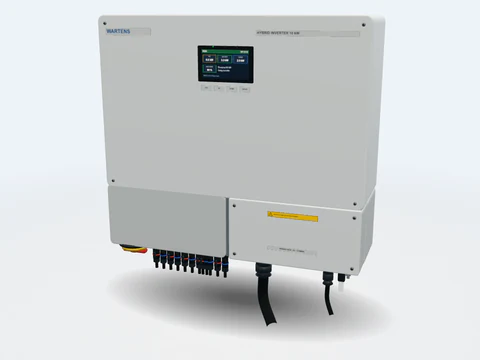
  • Hybrid inverter 10 kW in the Solar and EV lab, shown in 3DHybrid inverter 10 kWTurns the array's DC into AC for the building, and runs the battery too.Opens
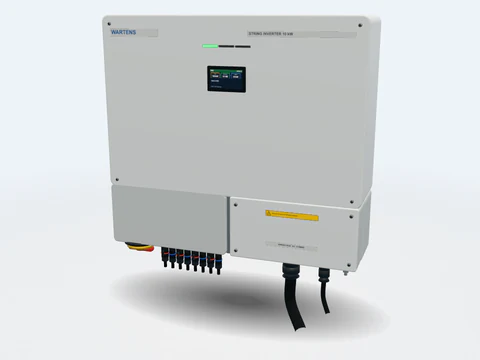
  • String inverter 10 kW in the Solar and EV lab, shown in 3DString inverter 10 kWTurns the DC of the strings into AC for the grid. It has no battery.Opens
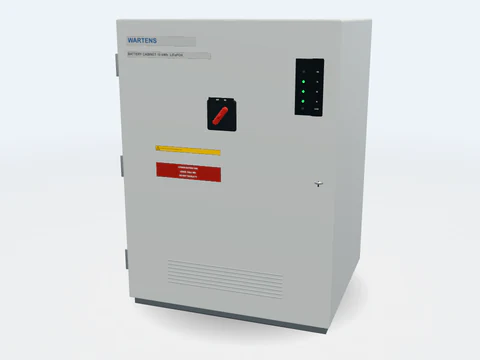
  • Battery cabinet 10 kWh in the Solar and EV lab, shown in 3DBattery cabinet 10 kWhStores solar energy as DC and gives it back in the evening.OpensPulls apart
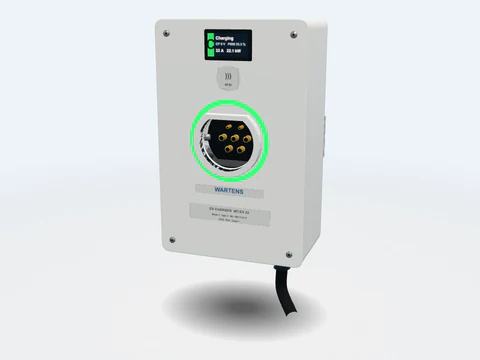
  • EV charger (mode 3) in the Solar and EV lab, shown in 3DEV charger (mode 3)A smart switch that gives a car AC power only when the car says it is safe.OpensPulls apart
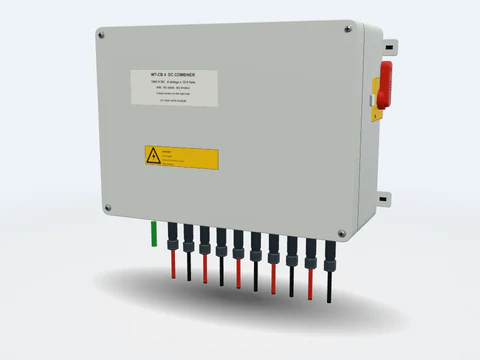
  • DC combiner box in the Solar and EV lab, shown in 3DDC combiner boxJoins the strings through fuses and an isolator into one DC output.Opens
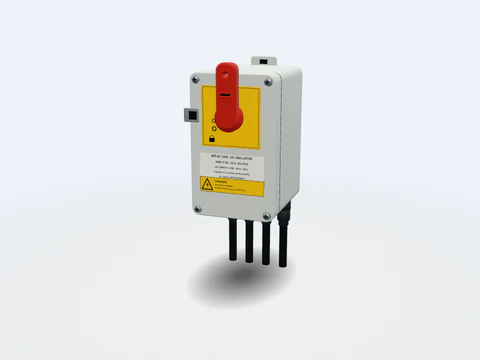
  • DC isolator in the Solar and EV lab, shown in 3DDC isolatorThe switch that breaks DC safely and takes a padlock.Opens
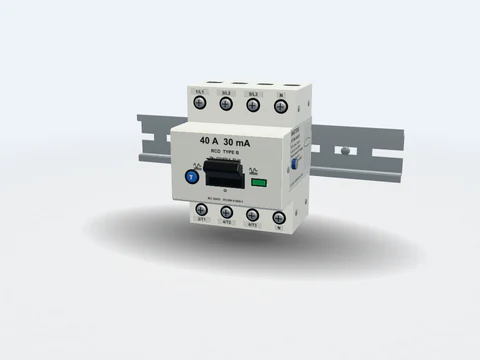
  • RCD type B in the Solar and EV lab, shown in 3DRCD type BAn earth leakage switch that also senses smooth DC leakage.Pulls apart
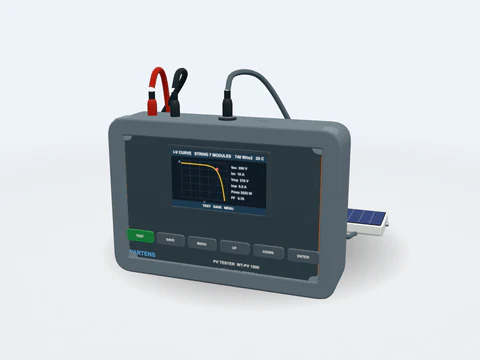
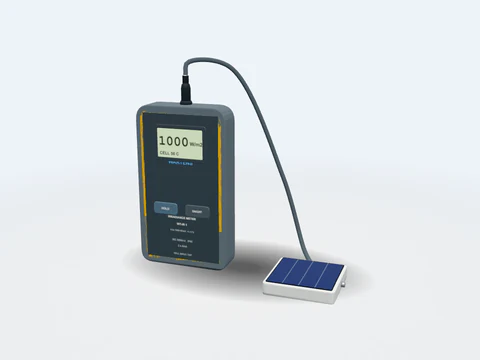
  • PV tester (I-V tracer) in the Solar and EV lab, shown in 3DPV tester (I-V tracer)Measures Voc, Isc and the whole I-V curve of a string safely.Opens
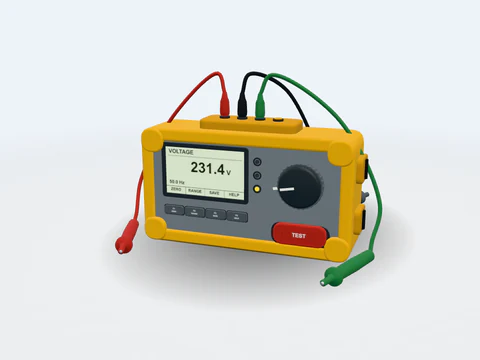
  • Multifunction installation tester in the Solar and EV lab, shown in 3DMultifunction installation testerDoes every dead and live test that a fixed installation needs.Opens
  • Irradiance meter in the Solar and EV lab, shown in 3DIrradiance meterReads how much sunlight reaches the modules, in watts per square metre.Opens

and 33 more in the library.

Open the lab with its equipment library

Ratings and reviews

What learners say

Ratings come from learners who saved work in this lab.

Ratings and reviews

5.0
1 rating
51
40
30
20
10
  • Abhijeet D. · Worked on 2 levels · 12 Nov 2026
    EDWartens team

    Thank you, Abhijeet. Sizing a solar string for the coldest and the hottest day is where the datasheet numbers suddenly matter, and it is good to see you working through it.

Sign in free and save work in a level to add your own rating.

About the Solar and EV lab

Size the array. Fix the charger.

A solar array, a battery and an EV charger on one site make a small power system that has to be sized, protected and energised in the right order. The Solar and EV lab in EDWartens Lab is a free 3D site in your browser where you practise it.

A commercial roof with rows of solar modules, a plant room with an inverter and a battery, and a car park with three chargers. Work out the strings, choose the protection, set the battery, commission the system in a safe order and find why a car will not charge.

  • String sizing against the coldest and hottest day, with a pass or fail on the inverter window
  • Cables, fuses, isolators and surge protectors chosen from the currents and the cable runs
  • A day of solar and load, a battery under a time-of-use tariff and load management on a limited supply
  • Commission in a safe energising order, and read the control pilot to find an EV charger fault

Tools in this lab

  • Strings, protection and the day's generation
  • Battery rules under a tariff
  • Charger faults and load management

The guide

What to know before you start

Short answers first. Open a card for the rest.

What the solar and EV simulator does

You walk a solar, battery and EV charging site and do the jobs an installer or designer gets in a ticket. Each job starts with a work order from a fictional client and ends with an automatic acceptance test. The equipment is generic, so the lab teaches the method rather than one maker's product.

Eight levels, from survey to load management

The lab has eight levels. You survey a site, name every part and find the places that isolate it. You choose modules per string and strings per MPPT so the inverter is safe on the coldest day and still tracking on the hottest, and you select the string cable, fuse, DC isolator, surge protectors and AC breaker.

Read more

The later levels cover sizing an array for self-consumption from a day's generation and load, setting battery rules under a time-of-use tariff, commissioning the system in the safe energising order, reading the control pilot of a car that will not charge, and sharing a limited supply between three chargers so the main fuse never trips.

Why the order matters

A solar array stays live while the sun shines, so the lab asks about isolation and energising order, not just the final numbers. The survey level asks which parts stay live after you switch off. A real site has its own rules and permits, and the lab is practice for the thinking.

Free, and part of the Electrical Design internship

Opening the lab, doing the levels and passing the acceptance tests are free, and you can start without an account. A free EDWartens account records your results and keeps your work on every device. The lab is in beta. Solar and EV tasks also count inside the Electrical Design Internship as optional practice, and in the project weeks of the Commissioning and Maintenance Internship.

How it works

  1. Create a free EDWartens account, or sign in if you already have one.
  2. Open Site survey and name every part and isolation point.
  3. Size the strings for the coldest and hottest day.
  4. Choose the cables, fuses, isolators and surge protectors.
  5. Commission the system in the safe order, then fix the charger.
Where it leads

Where it leads

Internships are training, not employment.

Trains you for

Solar and EV charging engineer.

Questions

Questions people ask.

Is there a free solar and EV charger simulator?

Yes. The Solar and EV lab in EDWartens Lab is a free 3D site that runs in your browser. You can start without an account; a free EDWartens account records your results. You size strings, select protection, commission the system and pass an automatic acceptance test.

Can I practise PV string sizing online?

Yes. One level has you choose modules per string and strings per MPPT so the inverter is safe at the coldest temperature and still tracks at the hottest.

Can I practise EV charger fault finding?

Yes. One level has you read the control pilot, the proximity pilot and the leakage when a car will not charge, name the cause and make the right fix.

Does it replace training for installers?

No. A real installation has its own standards, permits and tests. The simulation is practice for the thinking and the order of the work.

Keep exploring

Other labs and guides

Updated 24 Nov 2026.

Other labs

  • Substation and MCC labWalk a small substation, isolate a motor bucket safely, grade a relay and fault-find a motor control centre.
  • PLC labProgram a working machine in ladder, Structured Text or SFC and watch it run.
  • Electrical labLock out, wire, test and fault-find a control panel, then prove it with a factory acceptance test.
  • Robotics labTeach a robot arm a pick and place job and prove its handshake with the PLC.
  • Process labRead the P&ID, check and calibrate instruments, tune loops and run a plant from a control room.
  • Maintenance labKeep a small plant running: find faults with real instruments, fix them safely and record the work in a CMMS.
  • AI Basics labLearn what AI is by playing with it: teach a camera, watch a model learn, test it and check it is fair.
  • AI WorkbenchPrepare data, train a model and check the AI's work against a brief.
  • AI Data Centre labWalk an AI data hall, rack and cable a GPU server, and size its power and cooling.
  • OT security labMap a plant network, split it into zones, write the firewall rules, read the logs and run the response drill.

Start the Solar and EV lab now.

Free, in your browser, with nothing to install.